When Stuart Wee entered the coffee industry, he did so to fix what he saw as a fatal flaw in speciality coffee shops, mainly, that "they don't seem very special any more".
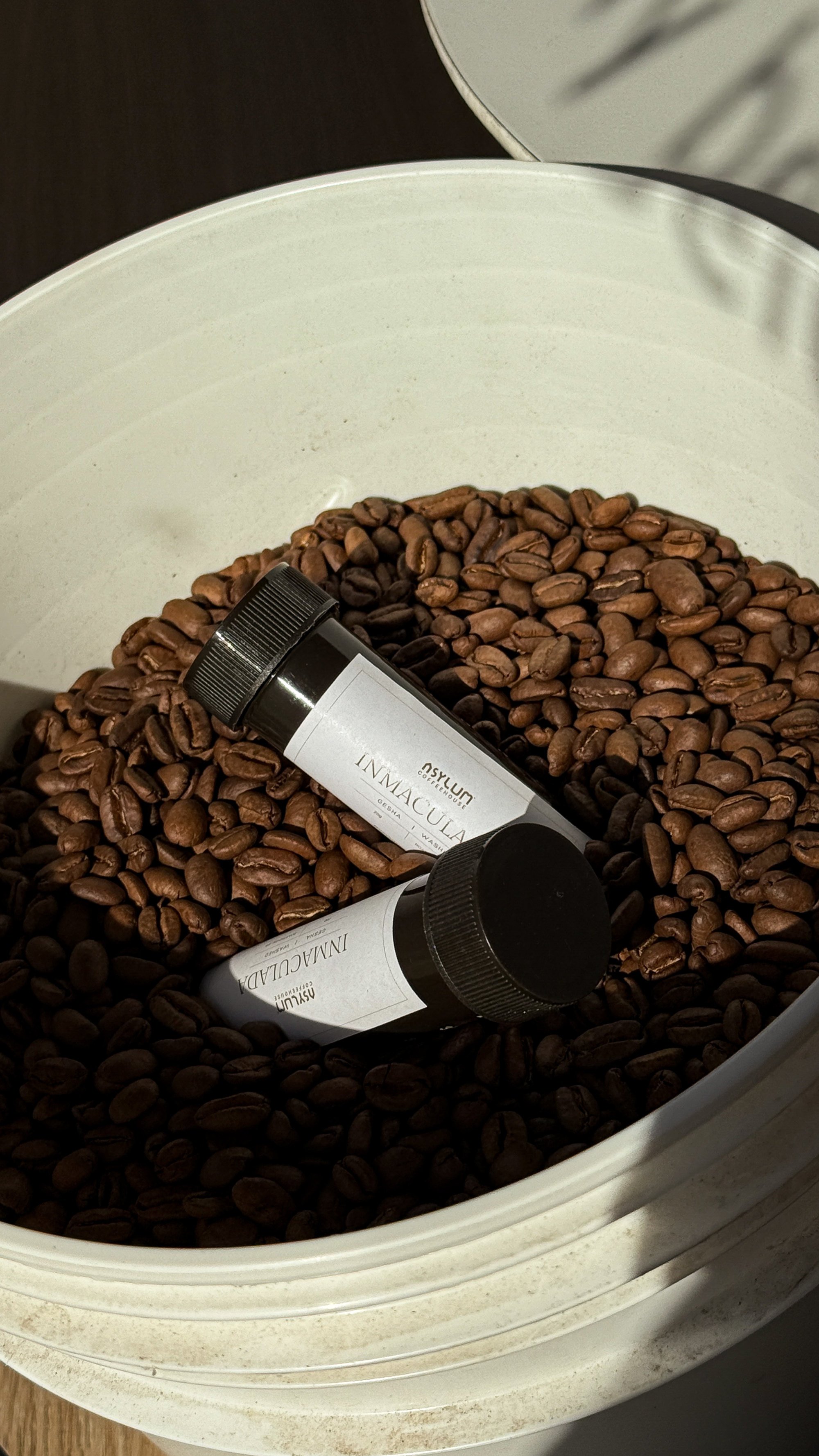
Today, the co-founder of Singapore's immersive Restaurant Absurdities and its minimalistic Asylum Coffeehouse has adopted a strategy of quality and innovation, going so far as to spend two years developing his own roast using a cutting-edge, low-energy digital roaster from Taiwanese company Rubasse.
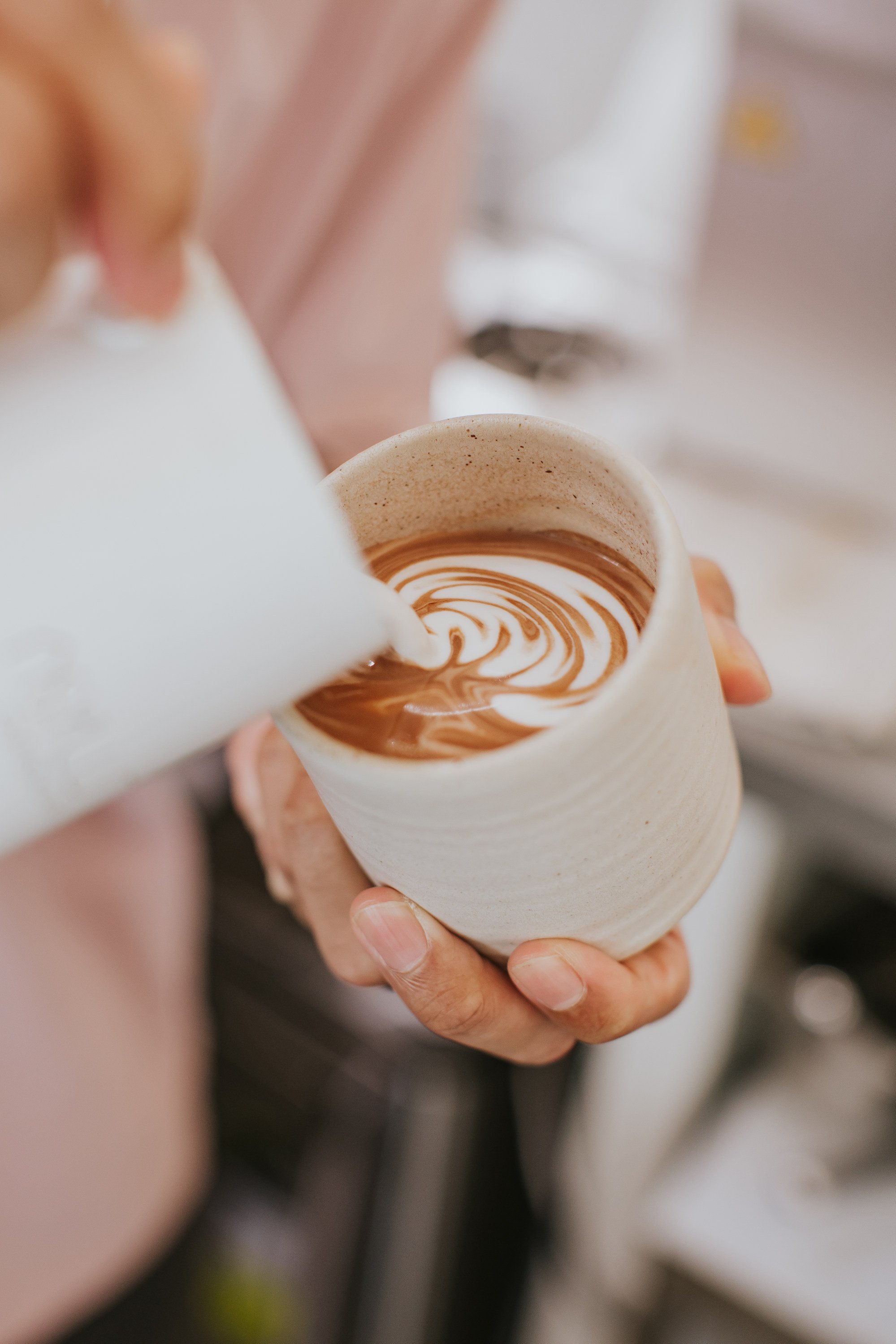
"Speciality coffee is still a niche product," says Wee, "so the challenge is to get the customer to try new products that aren't just high-volume milk-based ones."
Do you have questions about the biggest topics and trends from around the world? Get the answers with SCMP Knowledge , our new platform of curated content with explainers, FAQs, analyses and infographics brought to you by our award-winning team.
That there's a demand for such innovation in coffee is hardly surprising. Many markets within the Asia-Pacific region are relatively mature, driving demand for new offerings, but the region is also set to become the fastest-growing coffee market in the world over the next few years, growing at a compound annual growth rate of 5.2 per cent, almost twice that of other regions, according to Mordor Intelligence market research.
Last year, the Specialty Coffee Association held the inaugural World of Coffee Asia convention in Busan, South Korea, while the second edition took place in Jakarta, Indonesia, last month.
The Asia-Pacific region is home to a large cohort of young consumers with high disposable incomes, for whom, says Wee, "coffee is increasingly seen not just as a treat but as an image product that appeals to the region's growing middle and upper-middle classes. This is why there's so much more choice in coffee now".
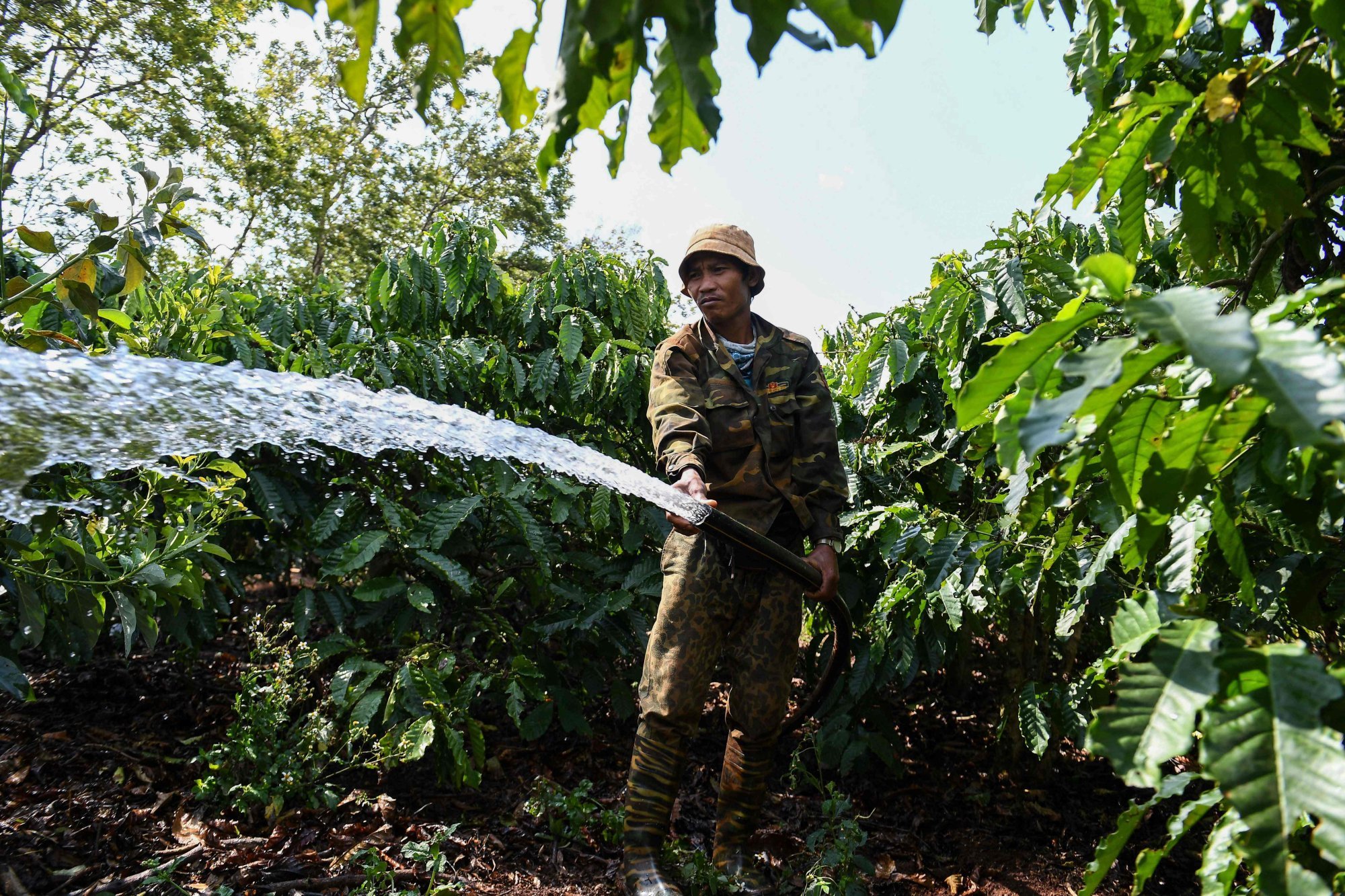
And necessarily so, argues Pamela Chng, founder of Singapore-based sustainable coffee consultancy Bettr Barista.
"There is a lot of automation in coffee now and it's advancing to the point where it can make a simple latte better than a lot of people," she says. "So there has to be a push towards more interesting, more creative coffee. That might mean something less purist and more about, say, coffee-based drinks paired with other ingredients or sustainable coffee alternatives."
There are two philosophies behind the latest wave of innovation in coffee. On the one hand, there is a refocusing on flavour in espresso or black filter coffee, and with coffee now understood to have three to four times the aromatic compounds of wine, the potential to explore flavour is only just being advanced.
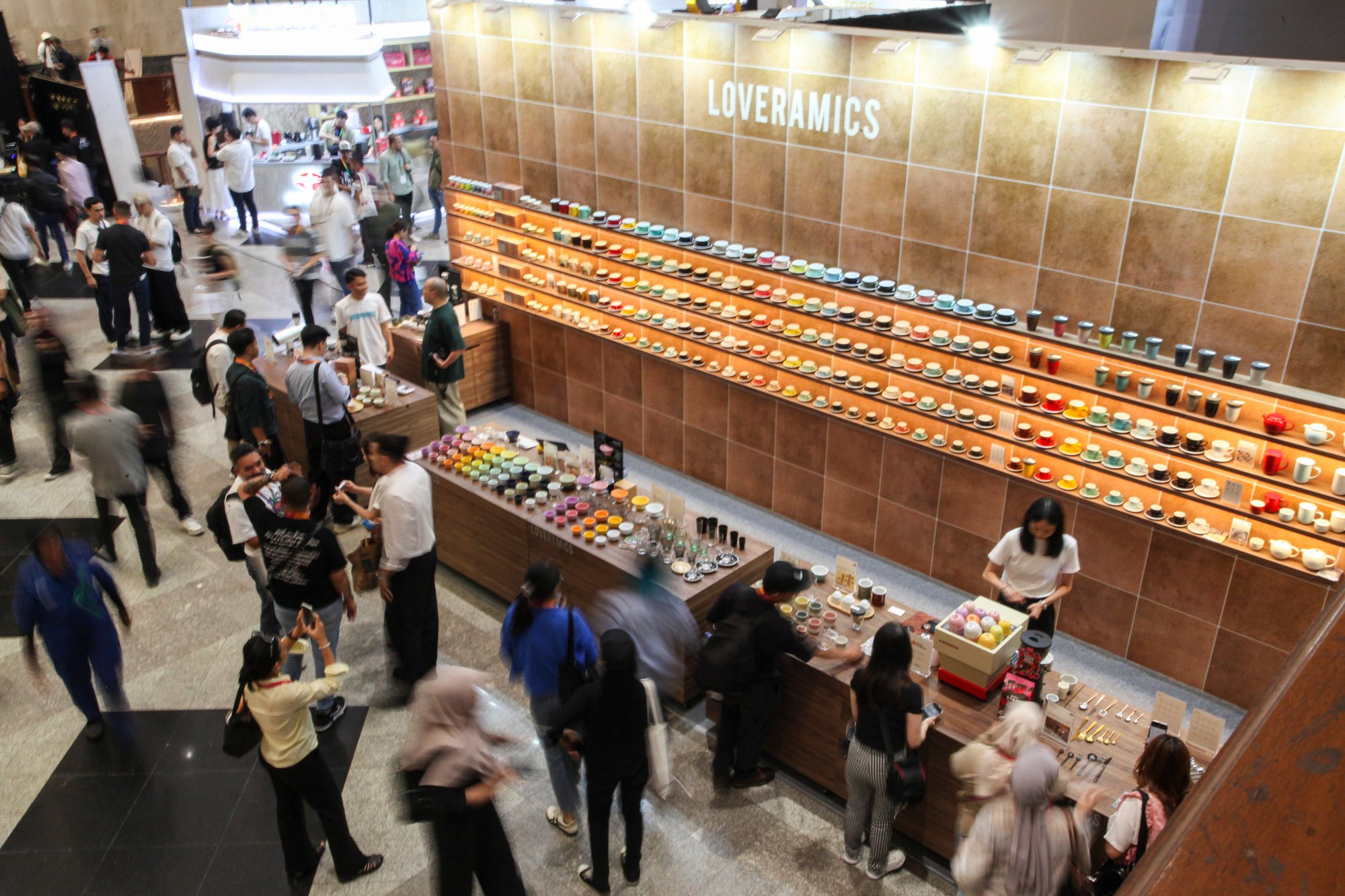
At the likes of Singapore's Narrative Coffee, for example, a bid for consistency sees coffee stored in pre-weighed doses in a freezer and ground on demand, taking one more variable, bean temperature, out of the equation.
Coffee from microlots - from a single farm and single harvest , even a specific patch of land within that harvest - means that when it's gone, it's gone. And that's part of the allure. There's also the growing use of anaerobic fermentation, which involves fermenting coffee beans in an oxygen-free environment, seen at the likes of Hong Kong's Reaction Coffee Roasters, or co-fermentation techniques repurposed from beer brewing, both providing more complex flavour notes in the final brew.
Among Asylum's Experimental Series coffee, for example, there's Pink Bourbon, made by adding smashed roses during fermentation, or Castillo, which includes ripe blackberries.
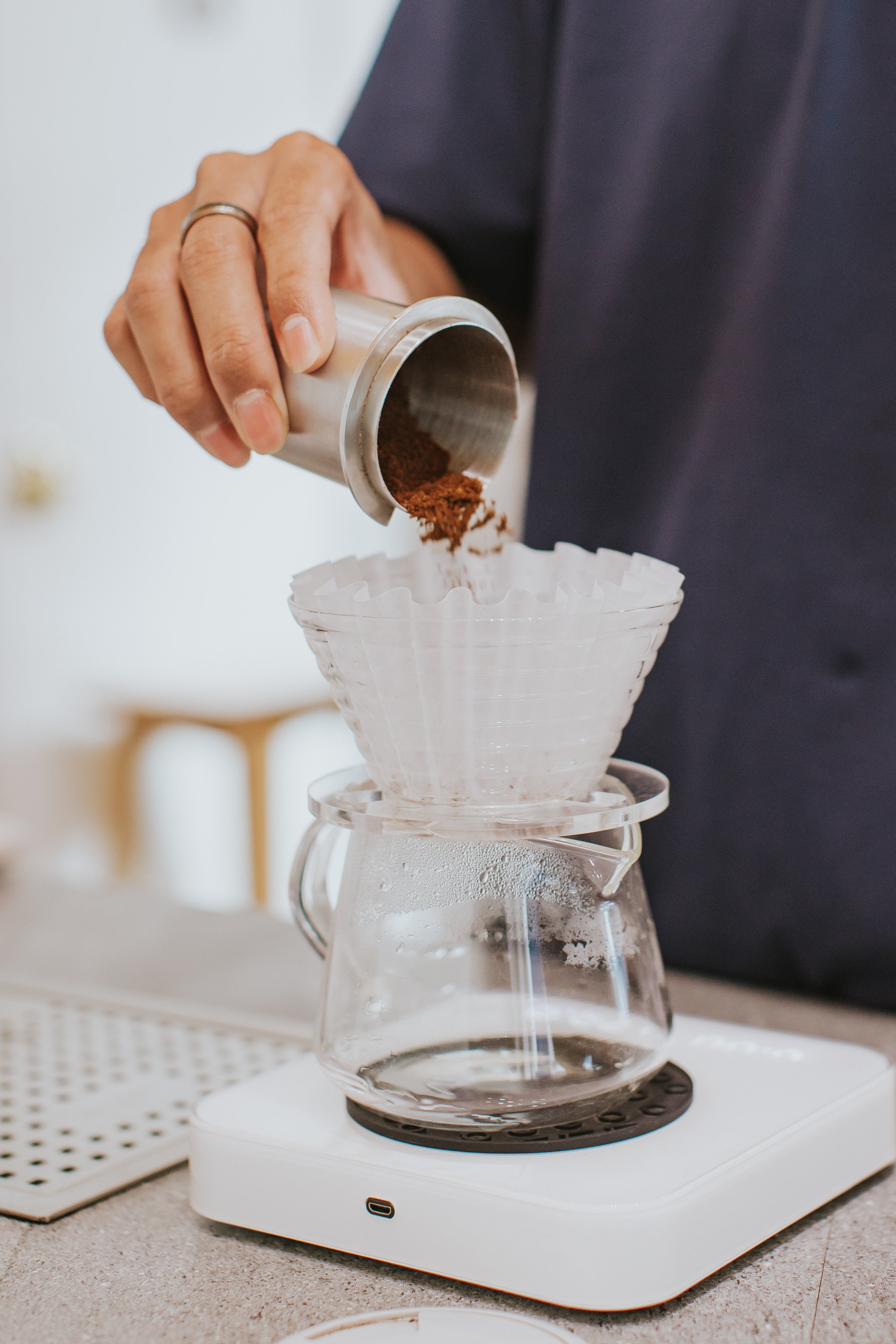
"A huge part of coffee's allure is its complexity," says Maxwell Colonna-Dashwood, author of industry bible The Business of Specialty Coffee (2023). "It's just about complex enough to be interesting but not so complex that it's annoying. Anyone can get into it. That helps explain what was once seen as the crazy geekiness of treating coffee as a gourmet product ."
But gourmet thinking also lends itself to more spectacular drinks. Thanks to the influence of bubble tea, young consumers who tend to drink their coffee not as a morning boost but as an afternoon indulgence are leaning into fusion or hybrid coffee such as matcha espresso blends or coffee infused with ginseng, often drunk cold. They're big, colourful, Instagram-friendly, often sweet and, says Wee, "now massive across Asia".
He doesn't quite approve of such concoctions - "They're the coffee equivalent of cocktails, all foams and garnishes" - but appreciates that the much higher profit margin they afford is important, particularly in those markets with high rent pressures.
Given coffee's caffeine content, wellness , too, is shaping new options through the spread of alternatives such as chicory root variants. Or cascara, a tea offering a reduced kick and made using the dried skins of coffee cherries, rather than their seeds, better known as coffee beans. "But, you know, I'm not sure I understand the point of coffee if you're not going for the caffeine as well as the flavour," laughs Wee.
Chng takes a more pragmatic approach. "We're at an interesting moment. Given that there's a sizeable well-travelled, young population that wants the good stuff, Asia-Pacific, and Southeast Asia in particular, is going to be huge in coffee," she says.
"But coffee prices are also at an all-time high, so we will see some reaction to that in the next six months to one year. Coffee roasters and retailers are going to have to look for innovative ways to stand out."
More Articles from SCMP
Innovating for Humanity: Bridging Barriers, Fighting Digital Crime and Building a Better Future
China’s shipments of hi-tech goods to EU surge as its exports to US plunge
1,500 Hongkongers report feeling tremors as 4.3 magnitude quake hits Guangdong
Philippines’ Sara Duterte warns against Marcos’ US pivot, ‘leaning’ on foreign powers
This article originally appeared on the South China Morning Post (www.scmp.com), the leading news media reporting on China and Asia.
Copyright (c) 2025. South China Morning Post Publishers Ltd. All rights reserved.
Post a Comment for "Asia's Coffee Revolution: Meeting the Region's Growing Demand"